

Making LOOPS
Behind-the-scenes of my latest picture book from Simon & Schuster

One hot summer’s day, I took my son to the playground. He ran off to play and I tried to get some work at a nearby picnic table. When I would look up to check on him, I kept seeing a kid running towards an empty shoe that sat in the middle of the playground. This happened two or three times—same kid every time.
This kid couldn’t keep their shoes tied and seemed to be in a time loop. Tying shoes requires making loops…
“Could this be a book?” I wondered.
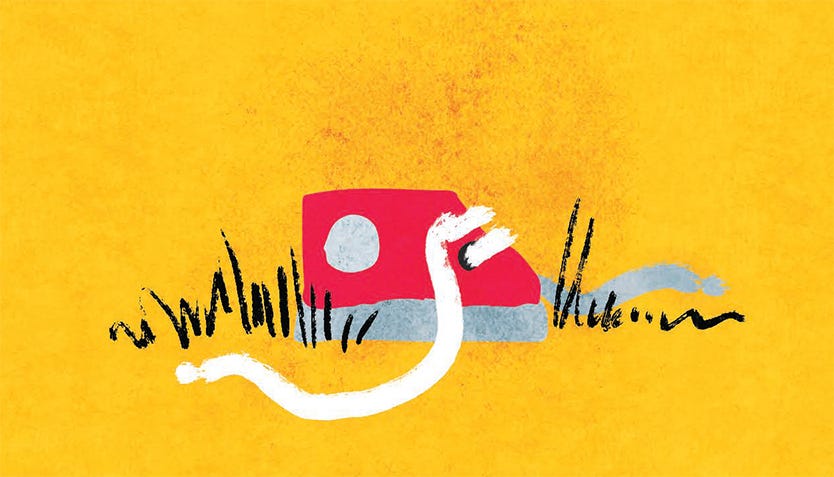
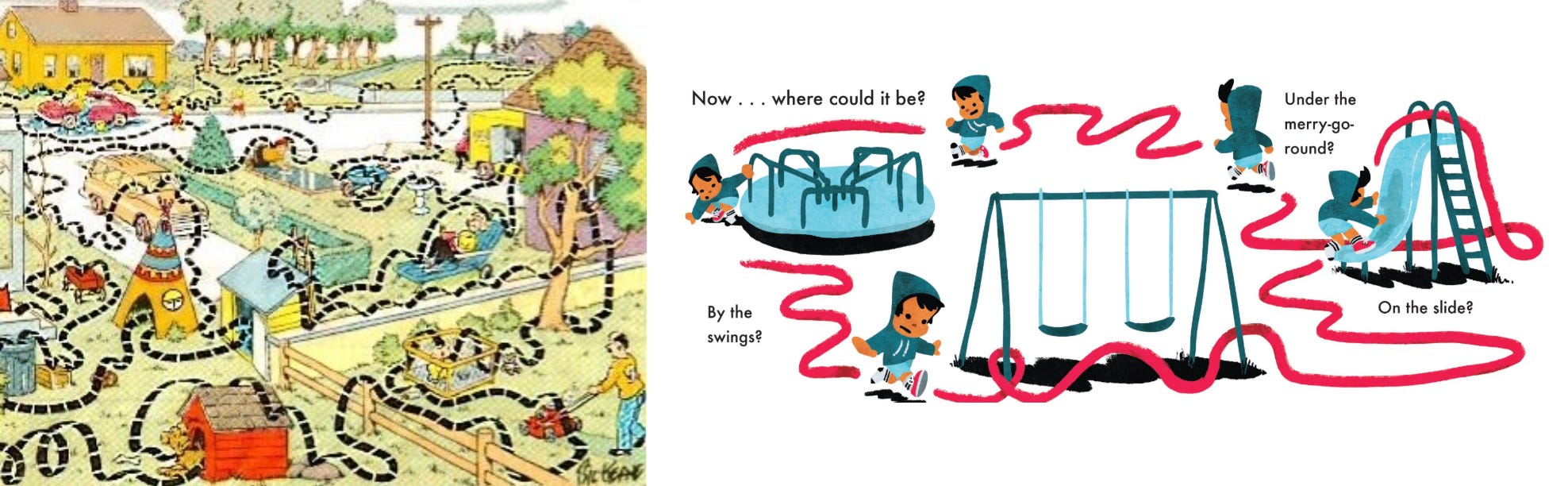
It felt like the perfect storm of inspiration, theme, and narrative. A character, who had just learned to tie their shoes, would be in search of a lost shoe and would race from page to page and around the book—all the way back to the beginning where the shoe would be waiting.
But could it fill 48 pages?
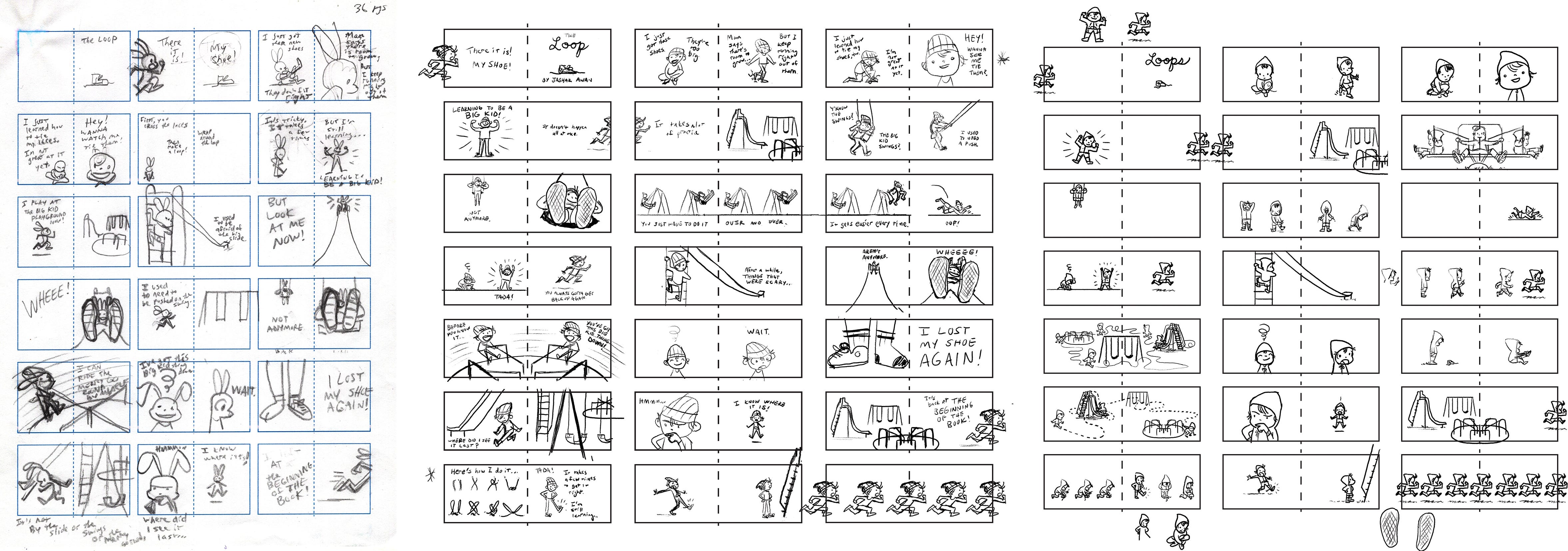
As I thumbed out the story, a monologue1 started to form. It began with a handful of childhood memories—having ill-fitting shoes that I would someday grow into and sharing a new trick that didn’t go as smoothly as planned—and grew into a thought about the importance of repetition when learning.
Learning a new skill takes practice. Practice requires persevering through mistakes. Mistakes are a chance to learn.
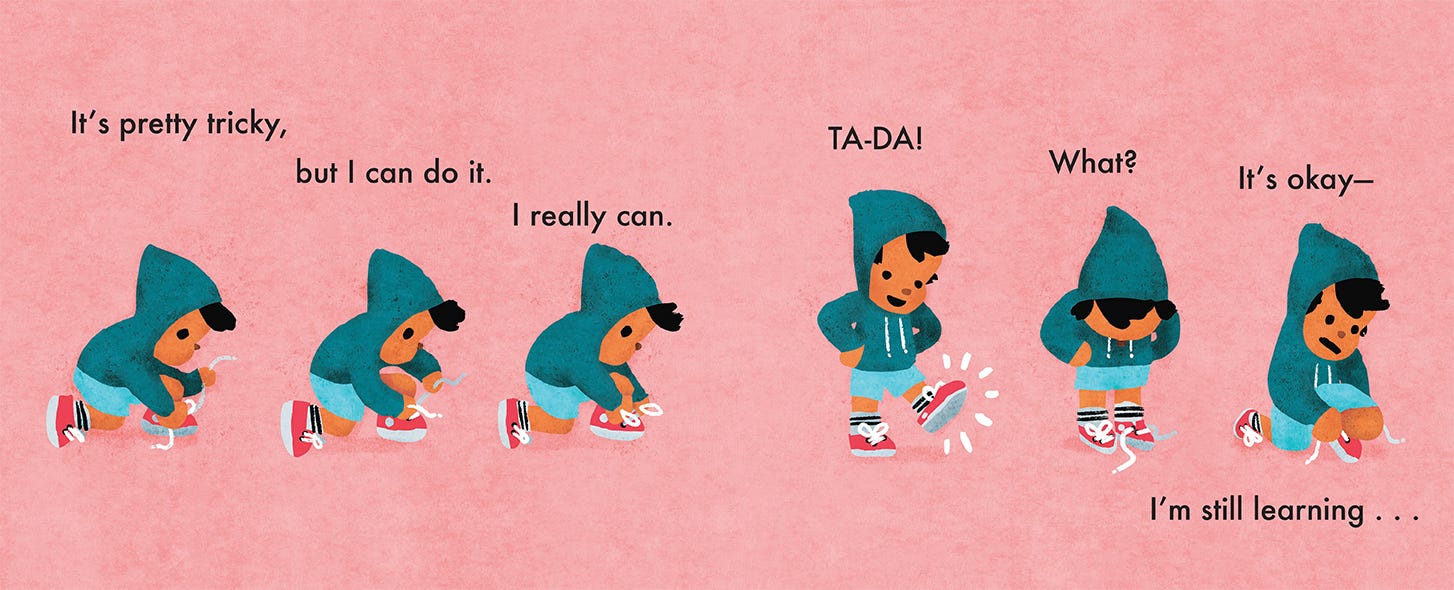
“I love the positive self-talk!” my editor Celia said when she read the book dummy. This surprised me—I was so focused on the themes, it never occurred to me that this was what was being said. Positive self-talk is something I personally struggle to do, so I was glad it came so naturally to my character. The lessons in my books are usually things I'm working on myself. This is probably why accepting things not being perfect has become a bit of a theme for me. 2
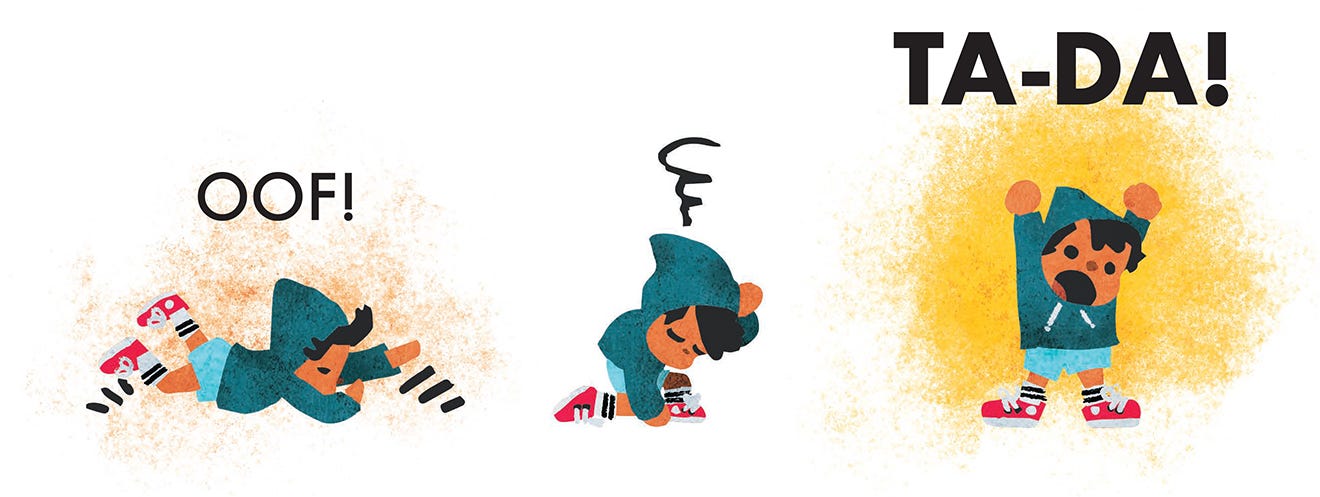
Loops is about more than learning to tie your shoes. It’s about developing the skills that keep you getting back up again when you get knocked down.
Art inspiration for LOOPS
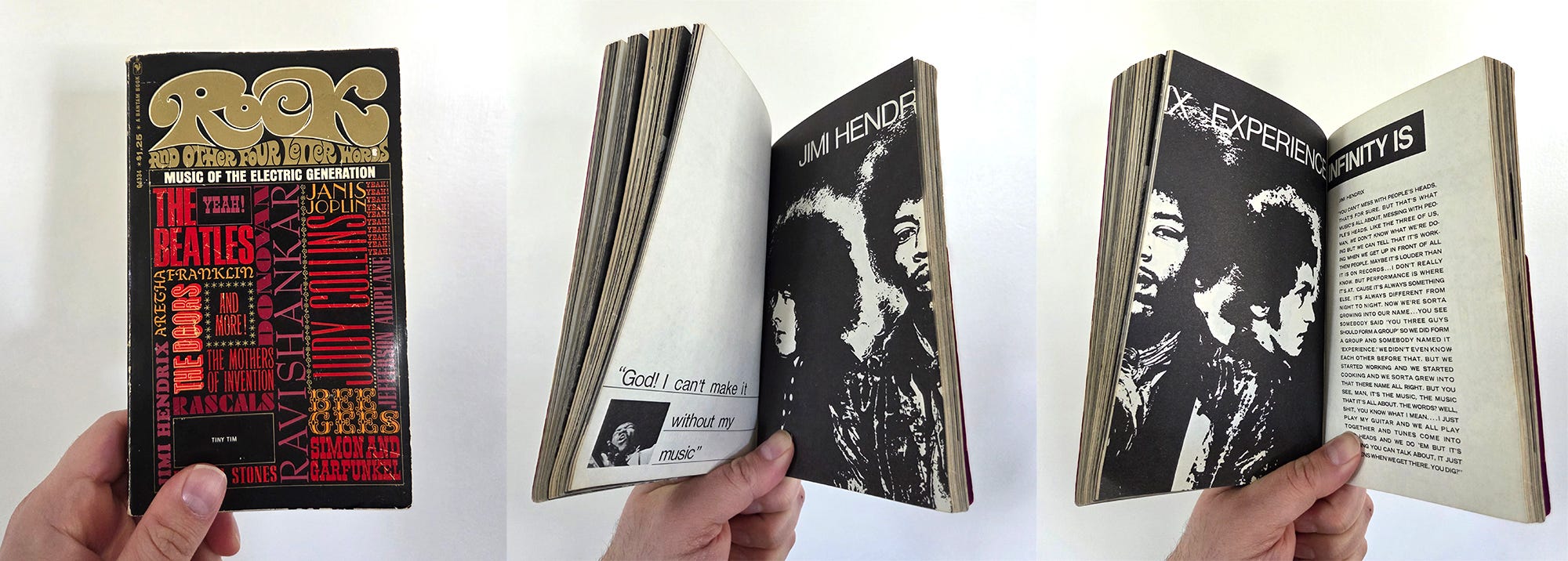
One thing I really wanted to do in this book was inspired by something I’d seen in a vintage paperback of rock photography—a photo on the right side of a spread would wraparound onto the left side of the following spread.
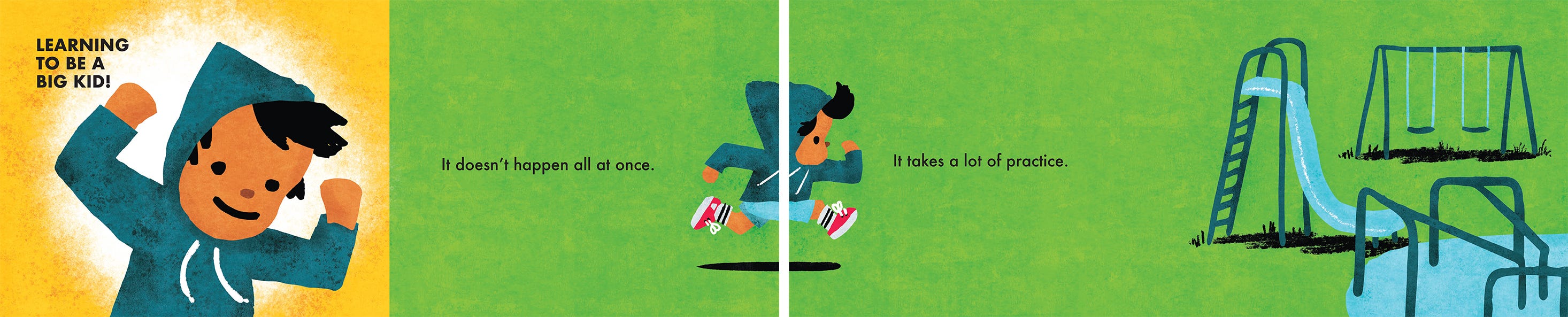
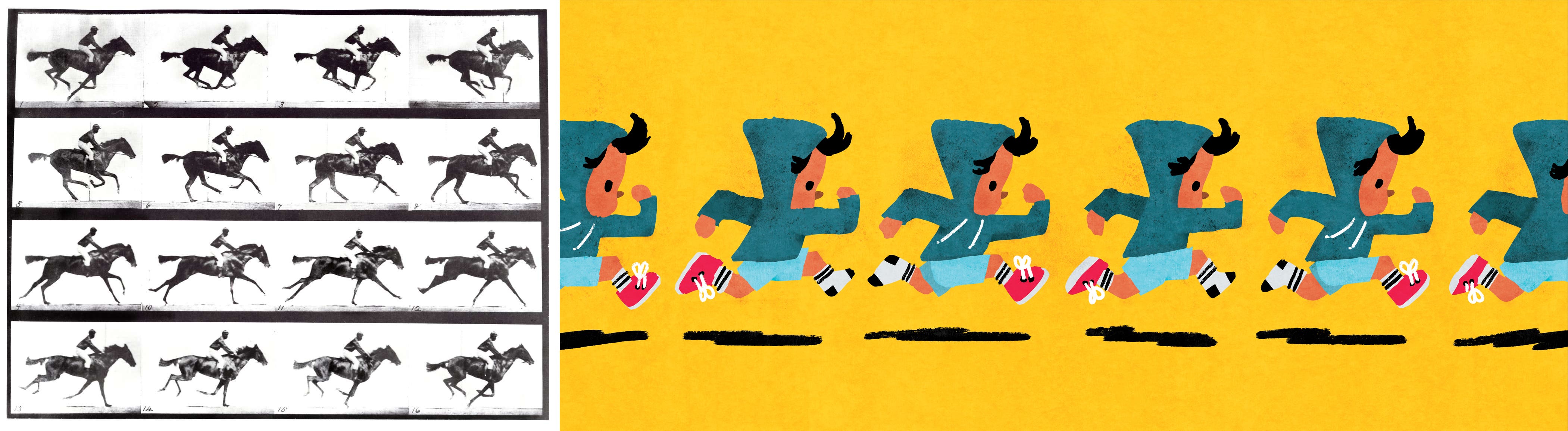
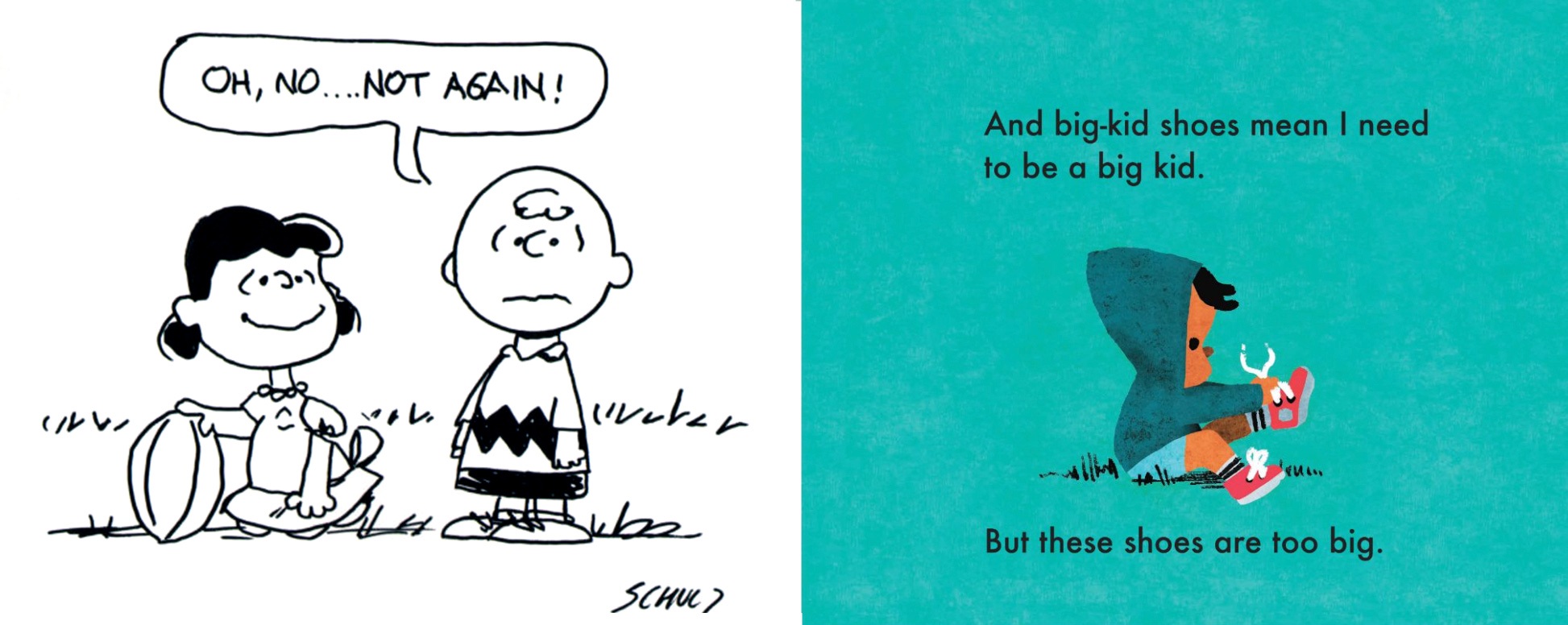
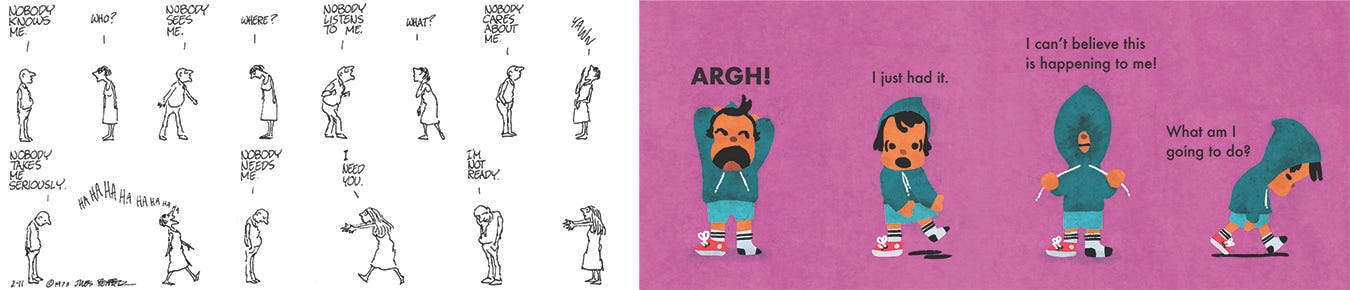
Here are some other visual inspirations for Loops:
If you enjoyed LOOPS…
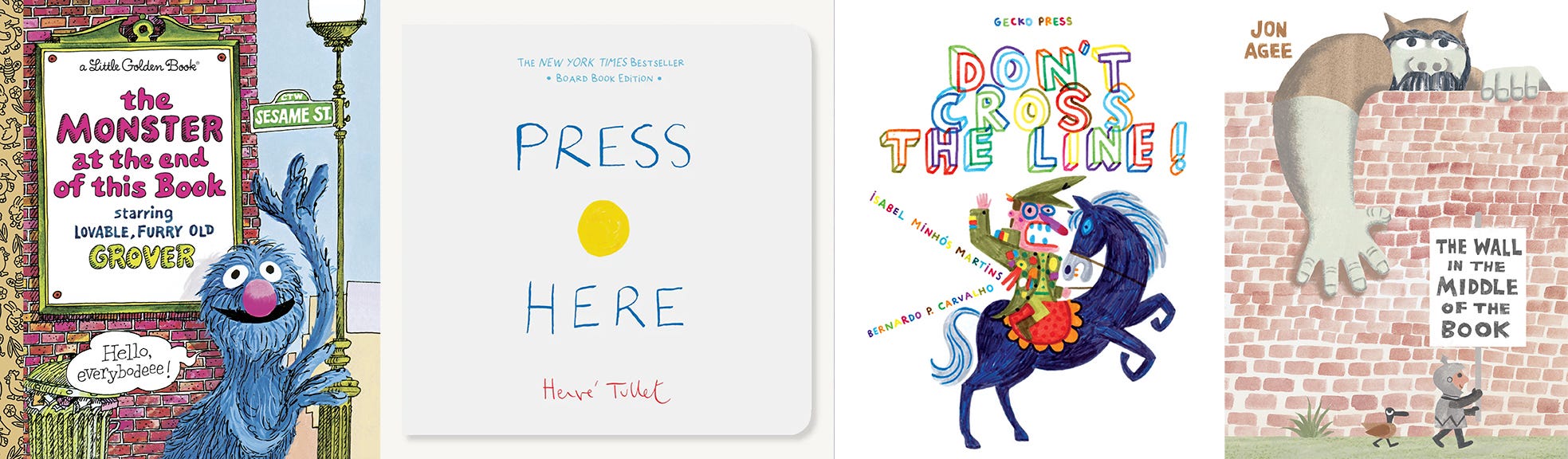
Here are some other picture books that play with the format—
The Monster at the End of This Book by Jon Stone, illustrated by Michael Smollin
Press Here by Hervé Tullet
Don’t Cross the Line by Isabel Minhós Martins, illustrated by Bernardo P. Carvalho
The Wall in the Middle of the Book by Jon Agee
Thanks for reading!
-JQA
I thought of the book as a monologue or a one-man show so I was quite pleased when Publisher’s Weekly called Loops “a full stage-show.”
Loops felt like a spiritual sequel to I’m Going To Build A Snowman—that protagonist is unable to build “the best snowman ever” but manages to make his “best snowman yet.” The connection between these books is, in part, why I abandoned the Loops original draft idea of having its protagonist be a rabbit (a reference to the bunny-ear method of shoe tying).
Loops is the best! And I would never have guessed any of these influences but they totally make sense 😄
Love seeing the process and visual inspiration, Jashar!